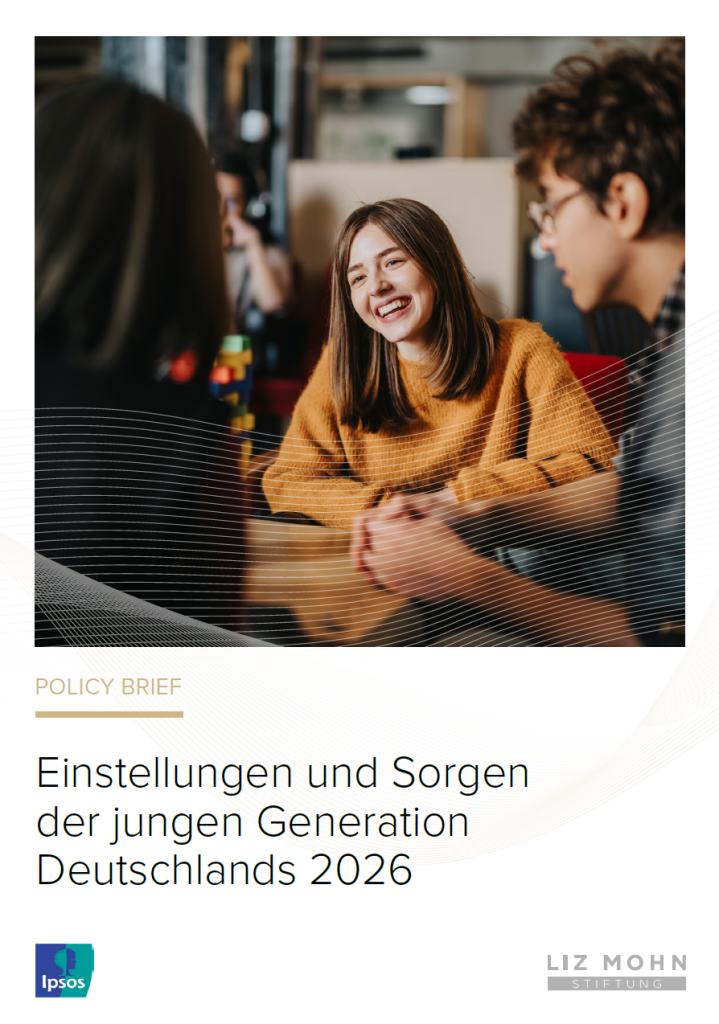
What matters to young people? What attitudes and values shape their outlook? And how do they view their own lives and the changes taking place around the world? Since 2022, the Liz Mohn Foundation has investigated these questions in an annual survey conducted with Ipsos. The fifth representative survey, “Attitudes and Concerns of Germany’s Young Generation 2026,” was conducted among 800 children and teenagers aged 12 to 18.
The findings paint a subdued picture of young people’s expectations for the future: 39 percent expect their personal circumstances to improve over the next three years, down from 43 percent last year. Only 14 percent expect conditions in Germany to improve, while 44 percent anticipate a deterioration. A longer-term comparison also reveals greater pessimism in some areas than in previous surveys.
At the same time, the study shows that many young people approach change with openness and curiosity. Seventy-nine percent find it exciting to learn or try new things, 73 percent are curious about the new opportunities that change may create, and 69 percent are confident they can adapt well to change.
Curiosity as a driving force in a changing world
This openness gives young people a strong foundation for helping shape social and technological change. At the same time, 42 percent worry that they may not be able to keep pace with developments. Schools and out-of-school educational programs should build on this openness, giving young people opportunities to try new things and develop their abilities. For example, 43 percent would like more political topics to be covered in class, and 82 percent want artificial intelligence to be addressed more frequently at school.
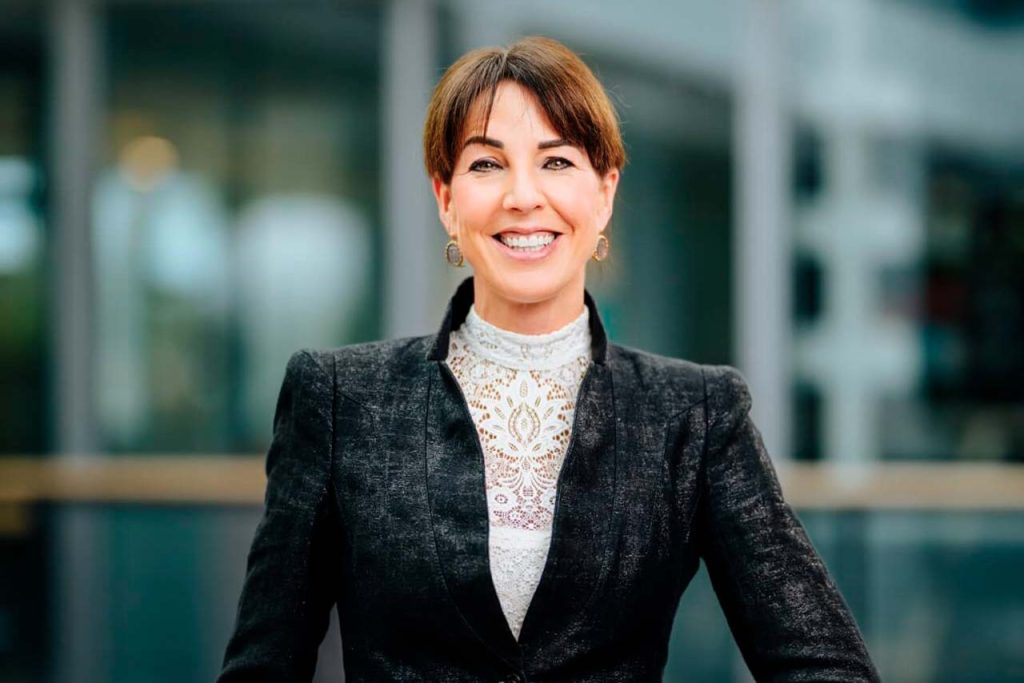
Liz Mohn, founder and Chairwoman of the Executive Board of the Liz Mohn Foundation, says: “Curiosity is an important driving force in a world that is changing ever more rapidly. Despite the many uncertainties they face, many young people are open to new experiences. We should give them the opportunity to develop their abilities and forge their own paths. To do so, they need guidance, people who have confidence in their abilities, and opportunities to take responsibility.”
Role models provide guidance
The study explores the importance of role models for the first time, revealing how much young people value having someone to look up to. Of the young people who have role models, 75 percent consider them important, while 53 percent say that role models influence their personal decisions.
Young people most frequently find role models within their own families (45 percent), among athletes (24 percent), and among their friends (22 percent). The qualities they value most include mental strength, self-confidence, perseverance, diligence, and a willingness to help others.
The findings show that role models do not have to be famous. People they can relate to can provide guidance and encourage young people to forge their own paths. Personal encounters and mentoring programs can help young people find this kind of guidance.
Democratic values remain stable, but political realities face growing criticism
A comparison of the five survey years shows that core personal priorities and democratic beliefs have largely remained stable. At the same time, young people in 2026 are more critical of how democracy functions and how people live together in society than they were in earlier years.
Only 38 percent are now satisfied with the way democracy works in Germany, compared with 52 percent in each of the previous two years. By contrast, support for democracy as a good form of government remains virtually unchanged at 70 percent. Eighty-four percent consider freedom and equality important foundations of democracy.
Political interest and engagement have fluctuated over time. Interest in political issues currently stands at 39 percent, down from 45 percent in 2025. This puts political interest back at its 2024 level; the figures do not suggest a consistent downward trend.
At the same time, many young people feel they have limited political influence: 64 percent say they often do not know how they can influence political decisions.
Building on strengths and creating opportunities for participation
The findings point to what is needed now: Young people need more than knowledge and guidance. They also need opportunities to develop their abilities, contribute their own ideas, and play an active role in shaping society. Civic education should therefore go hand in hand with practical opportunities for participation. Personal interaction and respectful dialogue across generations and social groups can also strengthen trust and social cohesion.
Through its annual youth study, conducted since 2022, the Liz Mohn Foundation brings the attitudes, aspirations, and concerns of the younger generation to light and tracks how they evolve over time. The aim is to give young people a stronger voice in public debate, identify emerging needs for action, and inspire new approaches to education, participation, and dialogue across society.
Specific recommendations for policymakers, educators, and civil society are set out in the accompanying policy brief, “Attitudes and Concerns of Germany’s Young Generation 2026”